
Why Lawmakers Have Not Legalized Skill Games
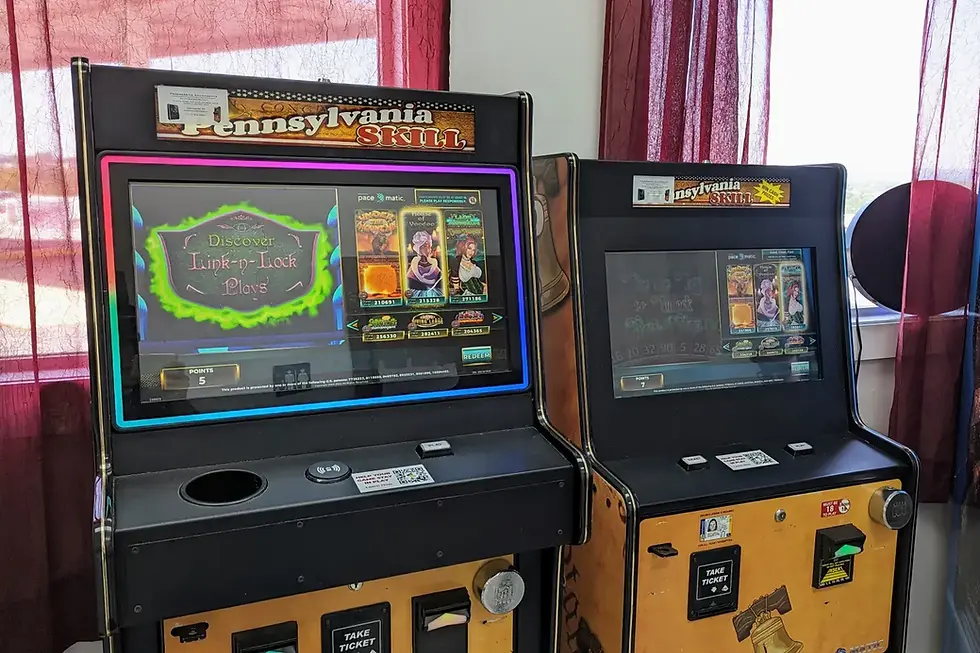
Leaders in the Pennsylvania legislature say they want to legalize and regulate skill games before a court-mandated deadline opens the terminals up to seizure by law enforcement.
Whether they’ll actually reach a consensus within the next month — ahead of critical legislative elections that will determine control of the General Assembly — is much murkier.
Deep cross-partisan divides loom over major aspects of potential regulation, like how many machines to allow statewide, the rate at which to tax them, and how to spend billions in projected revenue. Others remain skeptical of any gambling expansion, due to concerns about addiction and public safety.
An estimated 70,000 skill game machines have popped up in bars, taverns, restaurants, social clubs, and other establishments over the past decade, operating in a legal gray area. Device manufacturers and supporters had argued in court that these machines require a certain level of human skill to play, and thus don’t fall under the same legal definition as slot machines that rely purely on chance.
The state Supreme Court disagreed. In June, it ruled the devices are subject to the state’s gambling law and gave the legislature until Oct. 13 to act before the ruling goes into effect. Pennsylvania State Police said the agency will begin enforcement, including possible seizure and criminal charges, after that date.
Both chambers are scheduled to return to Harrisburg on Sept. 28 and have just six session days scheduled before the deadline.
Lawmakers broadly agree that they should do something, though they have made no public move to address the ruling since they entered summer recess two months ago.
State House Speaker Joanna McClinton (D., Philadelphia) told Spotlight PA last week the terminals’ revenue “absolutely” should be taxed.


Comments